Masonry Restoration

Chimney Repair
Chimney Tops
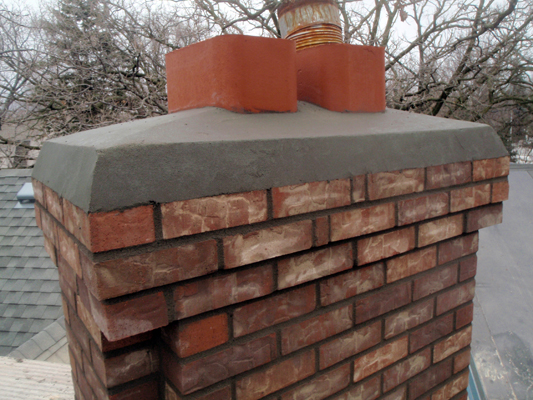
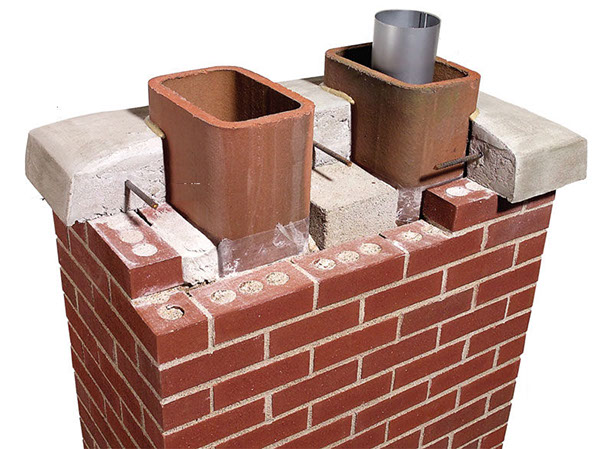
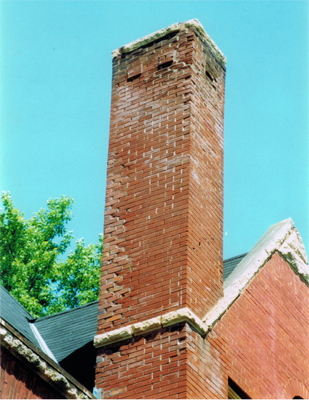
The cement cap and the top two feet are the most important part of the chimney because this is the most exposed to the weather and always the first area to deteriorate.Over time the cement cap can develop cracks and it can also lose its cementatious value, causing it to turn sandy.
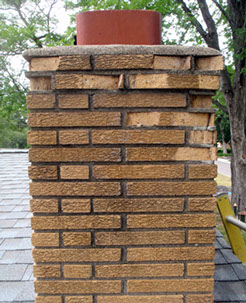
- The cement cap is cracked and sandy.
- The cement cap is lifting up from the top row of bricks, creating a gap for more water to intrude.
- The bricks are spalling. "The face of the brick has separated from the brick itself".
- The mortar joints are too deep, leaving the tops of the bricks exposed to standing water.
- The mortar joints are turning sandy and deteriorating
All of these scenarios are possible entry points for water. I recommend replacing the cement cap every 20 years.
Much of my work comes from inferior brick such as Old Chicagos and Sandlimes.
Wide Chimneys are very suceptible to Water Damage as they are a large target for rain water.
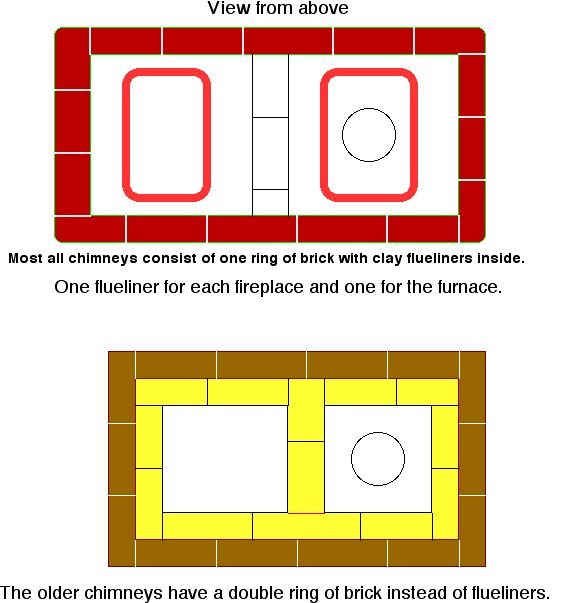
Raincaps are available for installation on top of fireplace flues and screens for above the furnace flues.
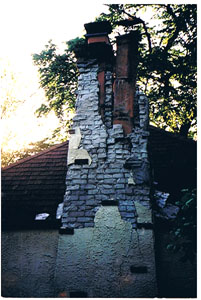
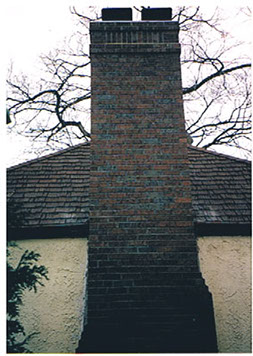
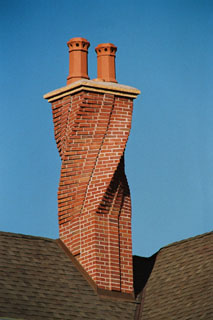
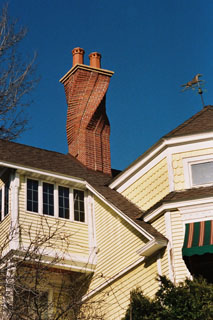
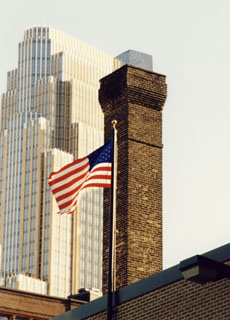
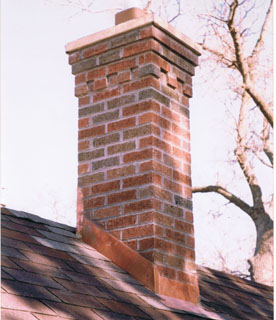
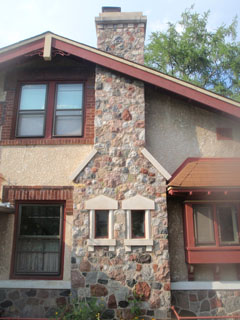
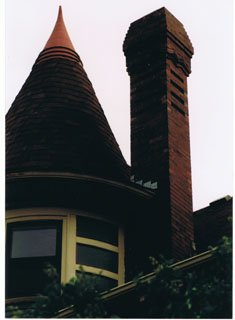
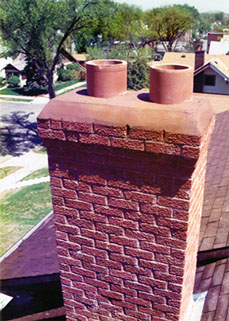
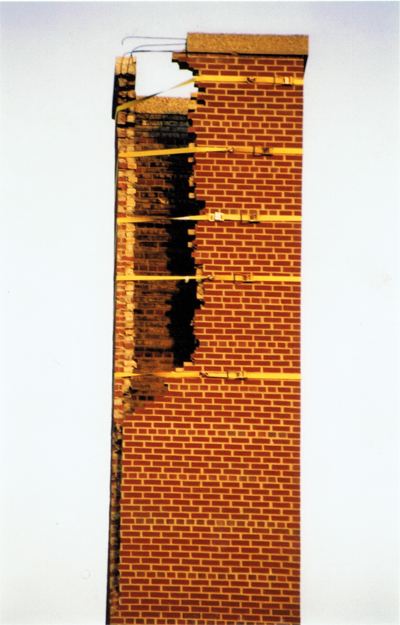
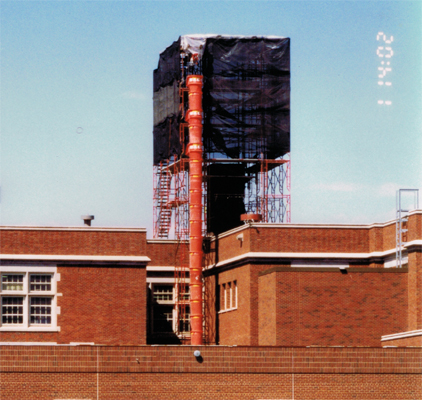
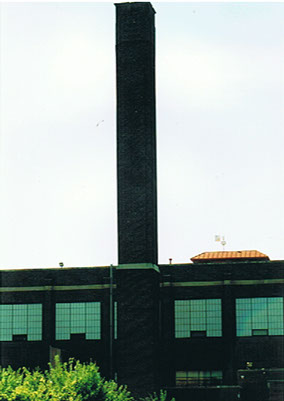
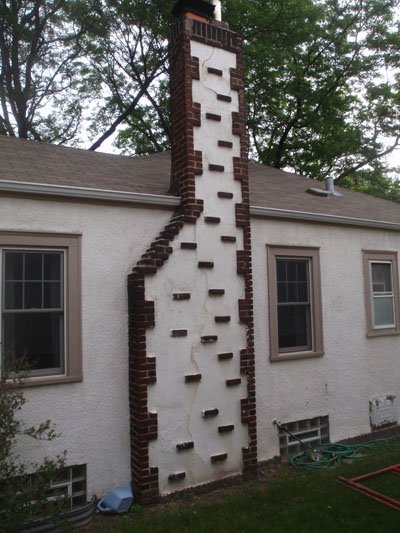
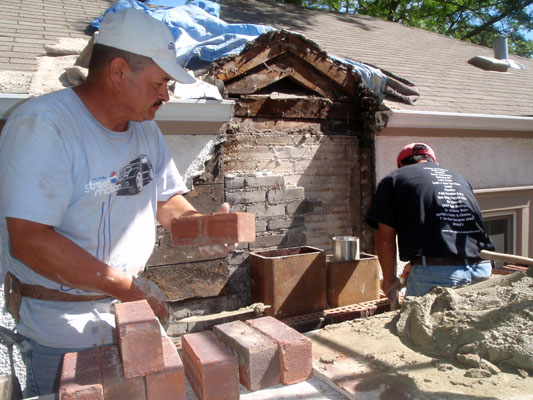
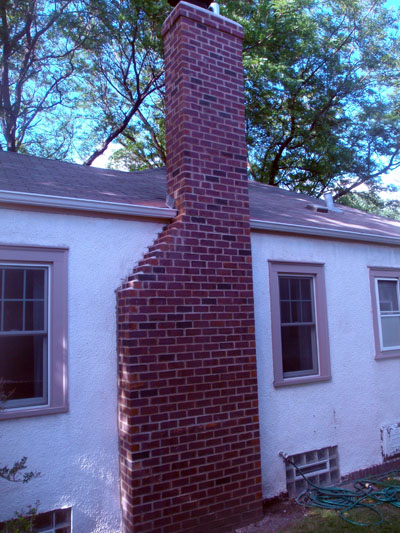
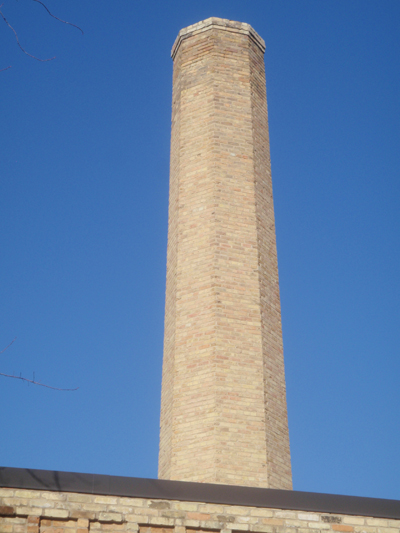
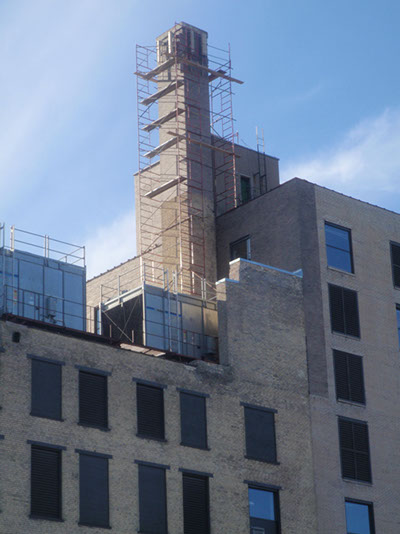
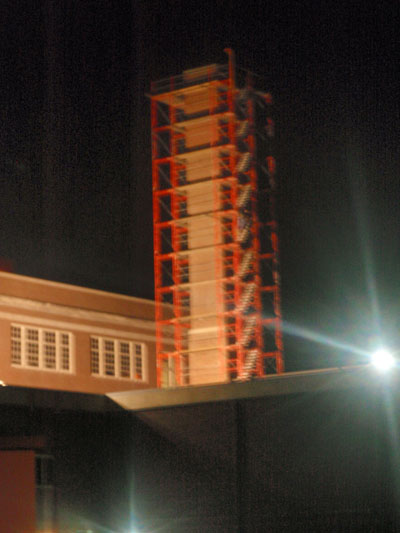
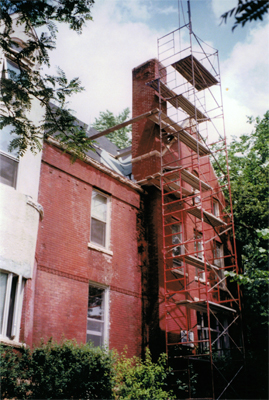
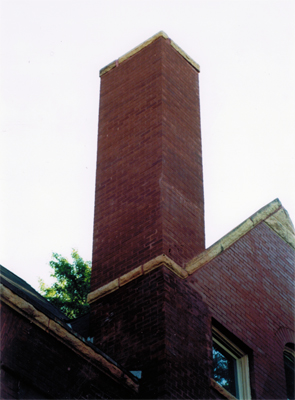
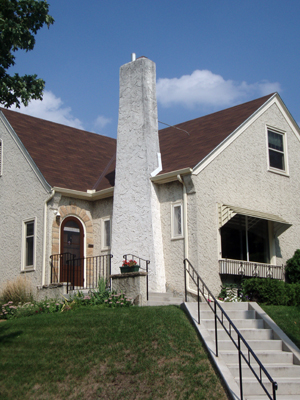
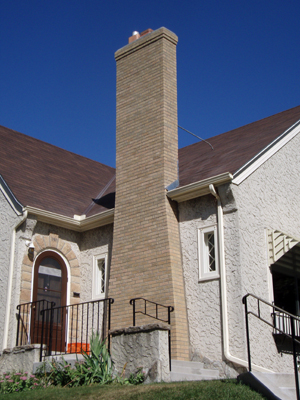
The chimney was hit by lightning. The top 23 ft. was rebuilt with matching brick and the following 20 ft. below had the mortar joints ground and tuckpointed.
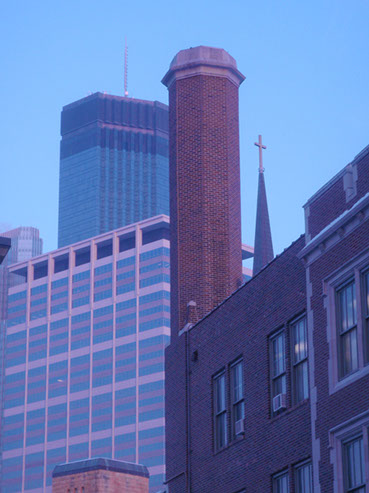
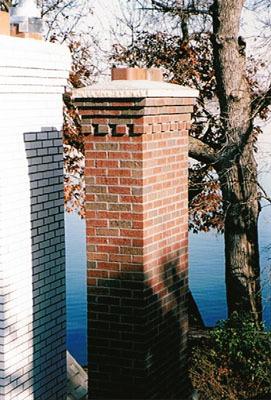
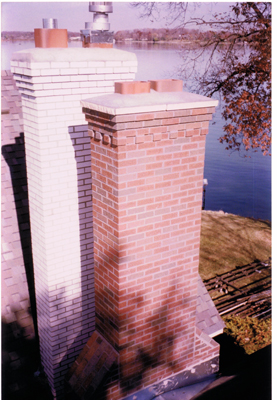
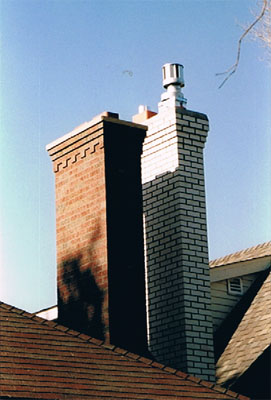

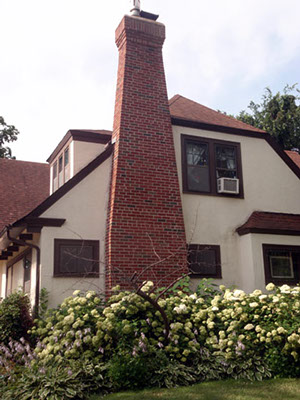
| Rebuilt from ground up, 1994 | Rebuilt from ground up, 1988 |
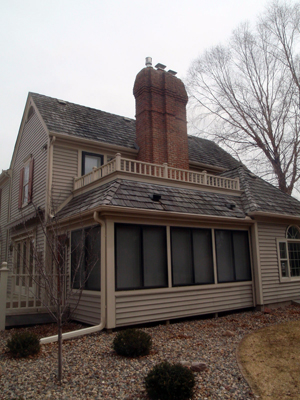
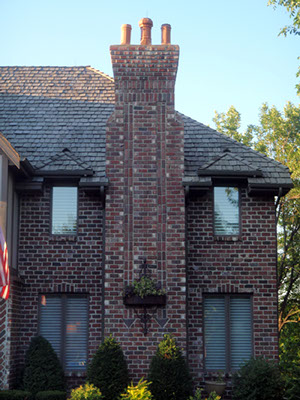
| Before | After |
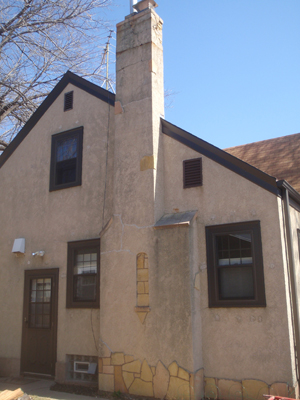
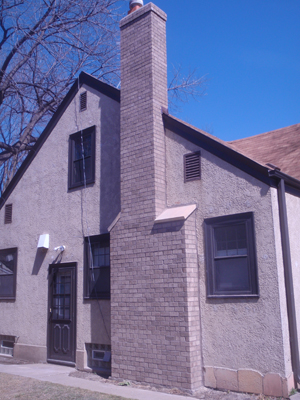
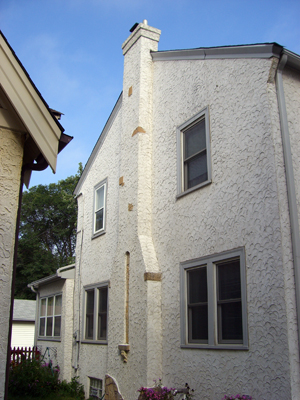
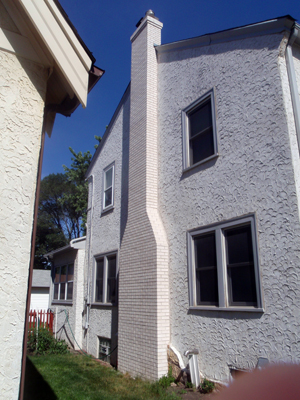
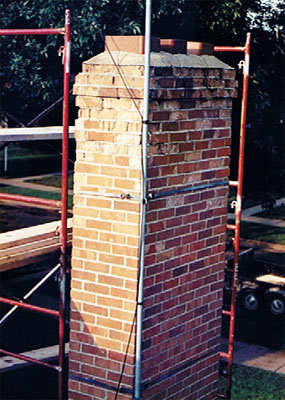
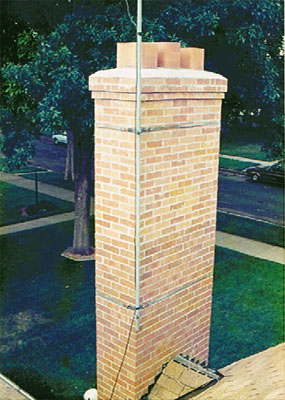
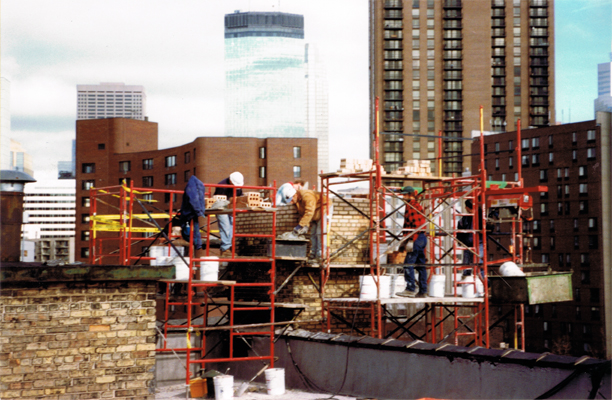
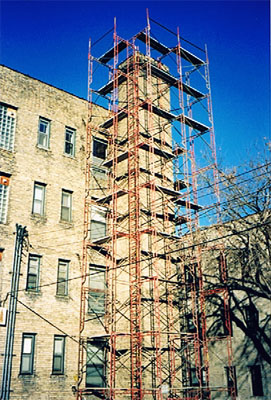
LaSalle Av. roof view and street view
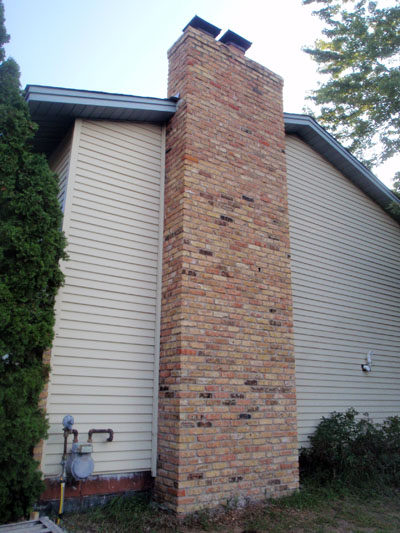
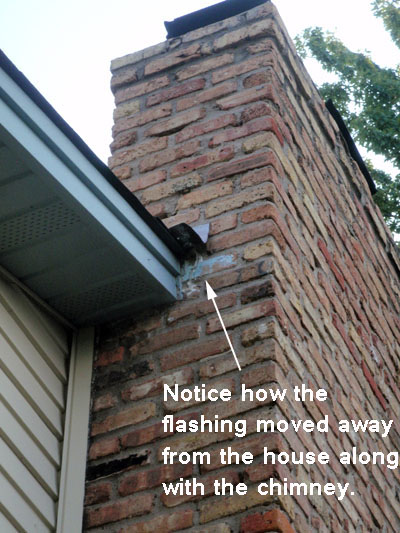
This chimney was leaning away from the
house due to an inadequate footing.
The chimney was removed to the ground as well as the foundation and
footing, before it was determined why the foundation failed below the
chimney.
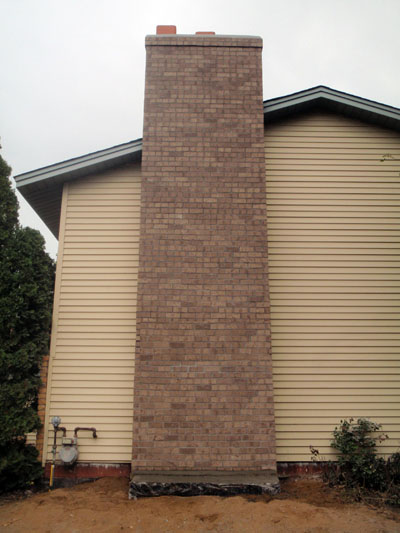
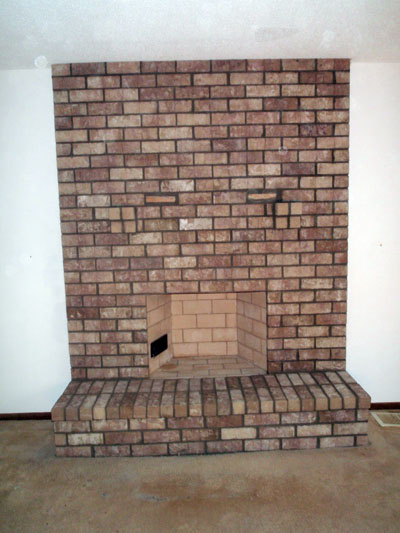
After installing a proper foundation, the chimney and both fireplaces
were then rebuilt.
We used a more durable brick than the high maintenance Used Chicagos.